
Best Things to Do in Bali in 2026: A Local's Guide
The best things to do in Bali in 2026 are catching sunrise from the rim of Mount Batur, walking the rice terraces and water temples around Ubud, surfing or eating grilled fish on the Bukit Peninsula beaches, and taking a fast boat to Nusa Penida. Plan 7-10 days, come in the dry season (April to October), and budget around 70 USD a day.
I have been to Bali four times now, and the thing that keeps pulling me back is not the postcard stuff. It is the smell of clove cigarettes and frangipani drifting across a warung at 6am. It is the sound of a gamelan rehearsal leaking out of a family compound in Ubud while you eat nasi campur off a banana leaf. Here is the thing: most people do Bali wrong. They cram Seminyak, Ubud, and two islands into four days and fly home wrecked. Slow down.
What to Do First: Ubud, the Mountains, and the Mistake Almost Everyone Makes
Start inland. I know the beaches are why you booked the flight, but Ubud is where the island makes sense. The town sits about ninety minutes north of the airport, up through traffic that will test your patience, and then the air cools and the paddies open up on both sides of the road. Wake early. The Campuhan Ridge Walk is free, it starts near Gunung Lebah temple, and if you reach it by 6:30am you get the grassy spine of the hill mostly to yourself before the heat lands.
The Tegallalang rice terraces pull all the camera traffic, and honestly? I would skip them at midday. The viewpoints ask for a small donation (around Rp 25,000), every other platform has a queue for a swing, and the magic drains out fast. Drive ninety minutes northwest to Jatiluwih instead. UNESCO listed, far quieter, and the terraces fall away to the horizon in a way the crowded spots never manage. Pack water and a hat, because shade is scarce out there.
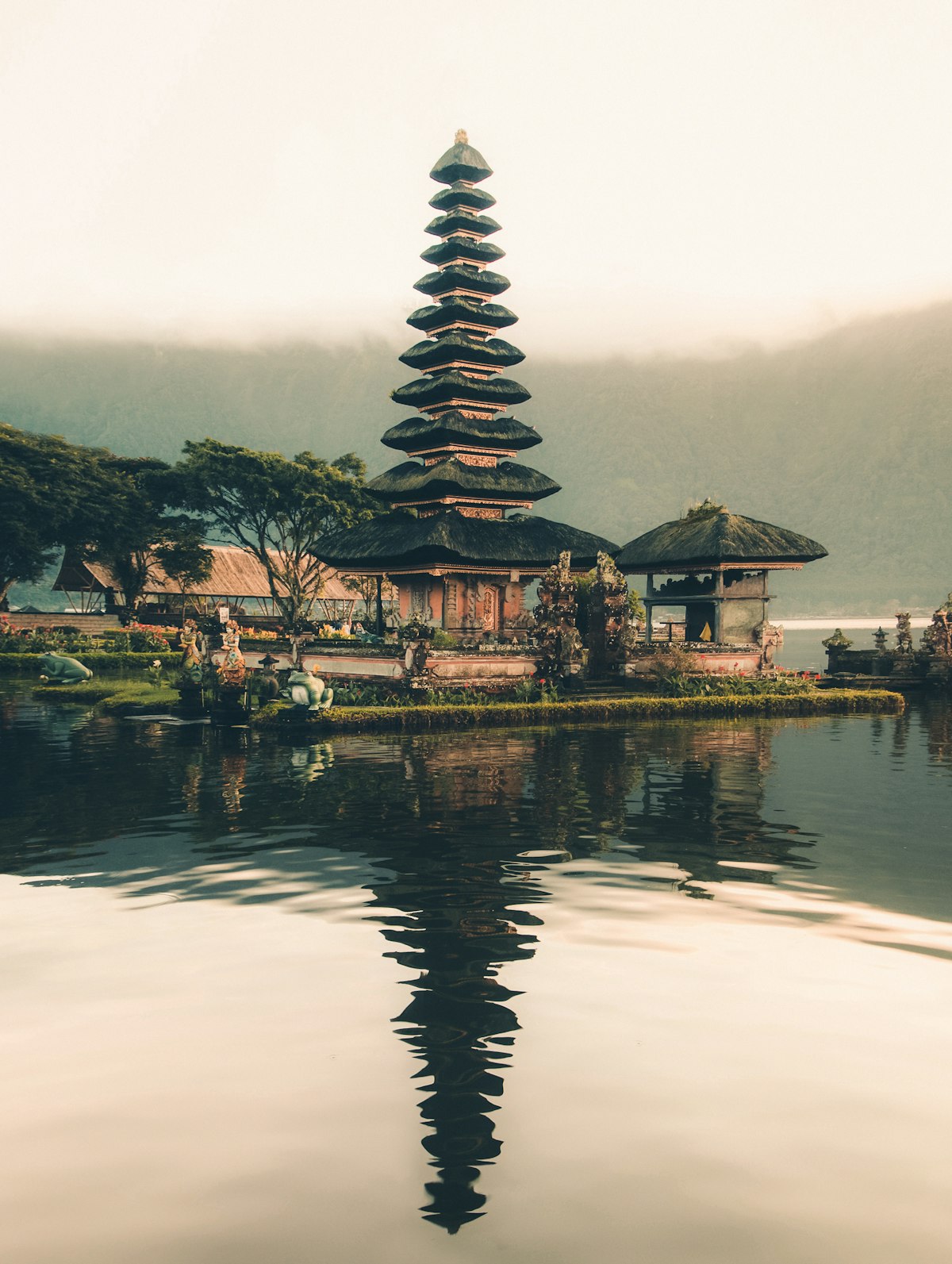
For temples, Tirta Empul earns top billing. It is a purification site where Balinese Hindus have bathed for over a thousand years, and you can take part in the ritual if you rent a sarong and behave respectfully. Entry runs about Rp 75,000. Arrive at opening, 8am, before the buses from the south roll in around ten.
Sunrise on Mount Batur
This is the one trek I push on everyone. You leave the hotel near 2am, drive to the trailhead by Toya Bungkah, and climb in the dark with a head torch for roughly two hours. Cold near the top, genuinely cold, which nobody expects on a tropical island. Then the sun cracks over the rim of the caldera, the clouds sit below you, and a guide boils eggs in the volcanic steam. A licensed guide costs Rp 500,000 to 700,000 per person and is required now. Fair warning: this one is a bit of a trek and the alarm hurts. Worth it? Absolutely.
A driver in Ubud told me, "In Bali we do not own the land, the land owns us." It changed how I moved through the place.
When is the best time to visit Bali?
The best time to visit Bali is the dry season, April to October, with May, June, and September hitting the sweet spot of good weather and thinner crowds. July and August bring the heaviest numbers and steepest prices. The wet season (November to March) runs humid with afternoon downpours, but it is green, cheap, and calm.
I have travelled here in both. The January rains are not the all-day washout people picture; they tend to arrive in hard bursts late afternoon and clear by dinner. If your budget is tight and a wet hour does not bother you, low season can halve your room rate. Surfers should note the swell flips with the seasons: the west coast around Kuta and Uluwatu fires when it is dry, while the east coast near Sanur and Nusa Dua works better through the wetter months.
Beaches, Surf, and the Islands: Bukit Peninsula to Nusa Penida
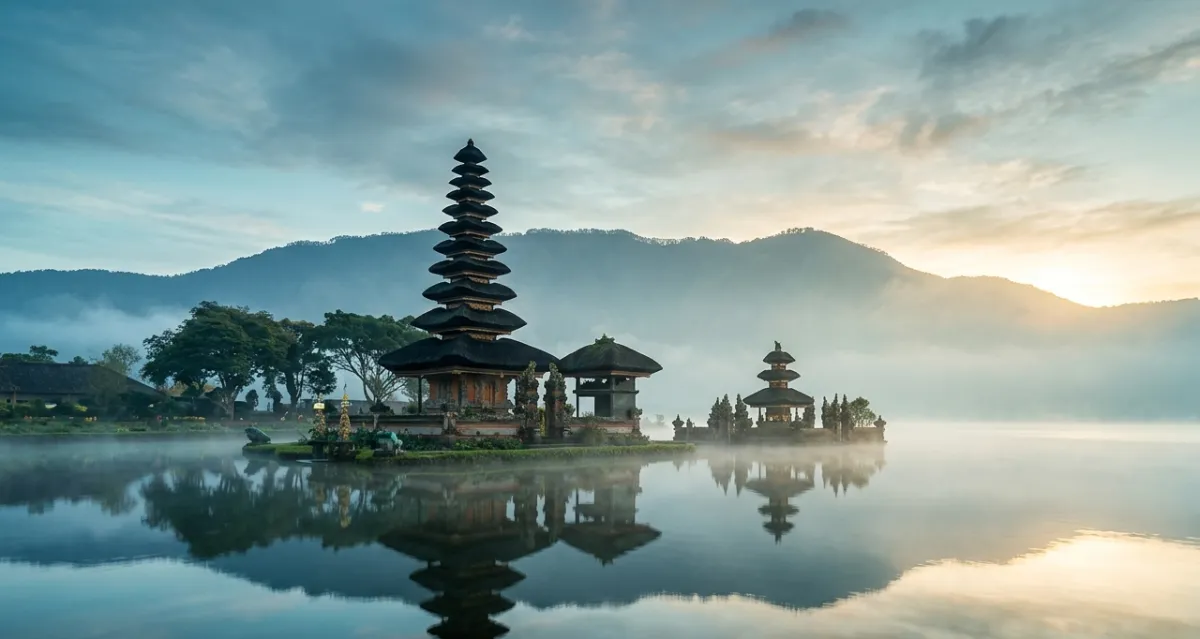
South of the airport, the Bukit Peninsula is where the limestone cliffs and the finest beaches live. Padang Padang is tiny and gets packed, yet the water stays clear and the entrance through a rock crevice is half the fun. Bingin is my pick; you scramble down a steep staircase past cliffside warungs, and a plate of grilled fish with rice costs maybe Rp 60,000 with your toes almost in the sand. Uluwatu Temple clings to the cliff at the southern tip, and the Kecak fire dance at 6pm (around Rp 150,000) is unashamedly touristy, but the chanting against a dropping sun earns its ticket.
Block out a whole day for Nusa Penida. Fast boats leave Sanur from about 7am and take 45 minutes; book a round trip for roughly Rp 250,000 to 350,000. Kelingking Beach, the headland shaped like a T-rex skull, is the shot you came for. Here is the common error: people try to see the island's east and west in a single day. The roads are rough and crawl along. Choose one side, hire a local driver for around Rp 600,000, and do it properly rather than rattling around in a car for nine hours.
Back on the mainland, Canggu has become the digital nomad hub, all flat whites and co-working desks, while Seminyak handles the beach club crowd. Sanur, often written off as sleepy, is where I would actually base myself for calm water, a flat seafront cycle path, and dinner without a two hour wait.
How much does a trip to Bali cost?
A mid-range trip to Bali in 2026 costs roughly 60 to 90 USD per day per person, covering a comfortable guesthouse or villa, local food, a scooter or driver, and entry fees. Backpackers get by on 30 to 40 USD. Luxury villas and beach clubs push it past 200 USD a day if you let them.
A local SIM with generous data runs about Rp 150,000. Scooter rental sits near Rp 70,000 a day, though I will be blunt: only ride one if you are genuinely experienced, because the traffic is chaos and the clinics patch up foreigners with road rash every single day. A private driver for a full day costs Rp 600,000 to 800,000 and is the sane way to cover ground. Set aside a little extra for the tourist levy, a Rp 150,000 fee per visitor you pay online before you land.
Is Bali still worth visiting in 2026?
Yes, Bali is still worth visiting in 2026, but where you point yourself matters more than it used to. The southern hotspots of Canggu and Kuta have grown crowded and over-built. Head to the north coast, the east around Amed and Sidemen, or the central highlands, and you still find the island people fell for in the first place.
I will not pretend there are no problems. Traffic in the south is genuinely rough, a few areas have outgrown their plumbing, and the water shortages are real. Spend a morning in a Sidemen rice village, though, or dive the USAT Liberty wreck off Tulamben, and the cynicism drops away. Go with respect, learn a few words of Bahasa, dress modestly at temples, and tip the drivers and warung owners who make the days easy.
Map-o-World Editorial Team
Travel Research & Editing
Our guides are researched from official tourism sources, local operators, transport authorities and recent traveller reports, drafted with AI assistance and reviewed by our editors before publishing. Prices, opening hours and entry rules change often - please double-check before you travel, and tell us if you spot something out of date.
Read our editorial policy arrow_forward