
Ziro Festival 2026 Guide: Permits, Cost, Guwahati Route
Ziro Festival of Music 2026 runs in late September in Arunachal Pradesh's Ziro Valley. Indian travellers need an Inner Line Permit (Rs 100, apply online at eilp.arunachal.gov.in), reach via Guwahati by overnight train plus shared Sumo, and a 5-day trip from Kolkata costs roughly Rs 25,000 including a festival pass and homestay stay.
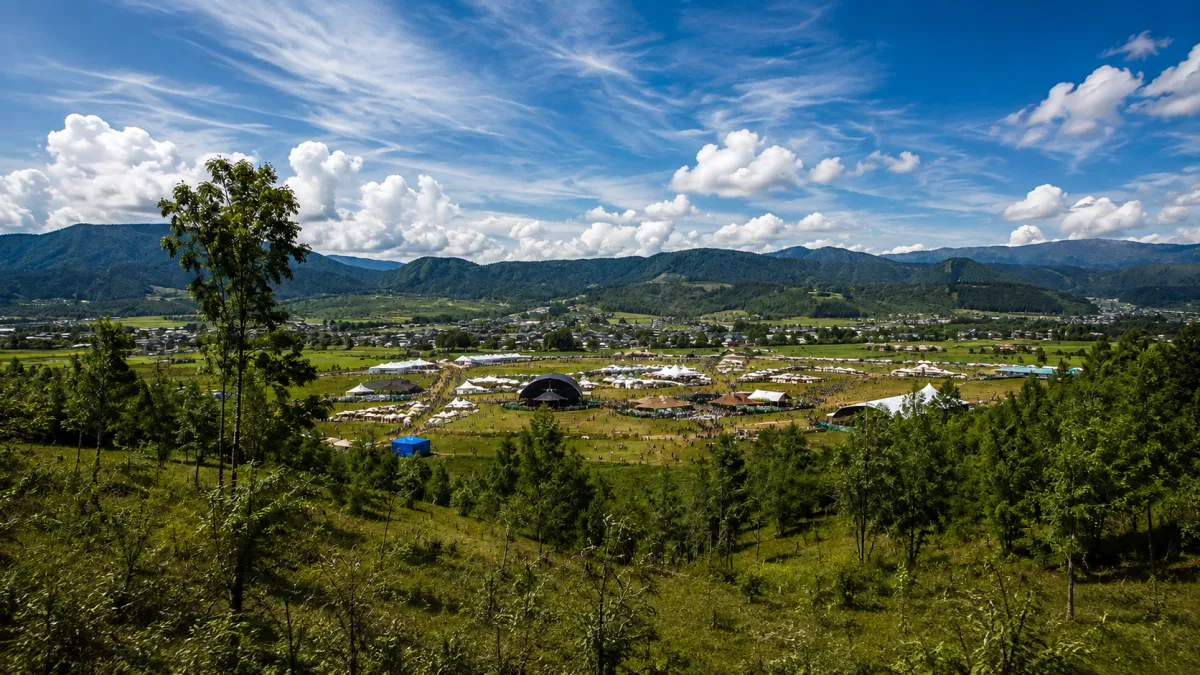
The first thing you notice in Ziro is the smell: pine smoke drifting off village kitchens, wet paddy, and somewhere in the distance, bamboo being split for a stage that exists for four days a year. Ziro Festival of Music is India's biggest outdoor independent music festival, held on the Apatani plateau at about 5,500 feet, and the 2026 edition lands in late September when the rice fields turn the exact colour of turmeric. No corporate arena, no plastic wristband city. Just two bamboo stages, a few thousand people, and mountains on every side.
Here's the thing: the festival is the easy part. The logistics are where most first-timers stumble. You need an Inner Line Permit before you cross into Arunachal, the last 110 km involves a shared Tata Sumo on a road that has opinions, and homestays in the good villages sell out by July. This guide covers all of it, with the Kolkata routing worked out leg by leg.
Why Ziro Festival 2026 Deserves Your Leave Application
The festival usually runs Thursday to Sunday over the last weekend of September, with 2026 dates expected to be announced on zirofestival.com by early summer. Book the moment they drop. Lineups mix Naga folk-fusion acts, Shillong blues bands and the sort of Delhi and Bangalore indie names that headline NH7 side stages, except here they play as the sun drops behind Dolo Mando ridge and the temperature falls ten degrees in an hour.
A four-day season pass has hovered around Rs 4,000-5,000 in recent editions, with early-bird tickets cheaper and camping add-ons extra. Prices are approximate as of August 2026. Day passes exist but make little sense once you have spent two days getting there. What regulars swear by is the daytime lull: mornings are for cycling between Hong and Hija villages or walking the fish-and-paddy channels the Apatani are famous for, because music rarely starts before 1 pm.
And honestly? Even if you never watched a single set, the valley would justify the trip. UNESCO has the Apatani cultural area on its tentative World Heritage list for the way the community farms fish and rice in the same flooded field. Late September means harvest season, so you will see whole families cutting paddy while festival bass thuds faintly across the valley floor.
Ziro Valley Inner Line Permit - Rules for Indian Travellers
Do Indians need a permit for Ziro Valley?
Yes. Every Indian citizen from outside Arunachal Pradesh needs an Inner Line Permit (ILP) to enter the state, Ziro included. It costs Rs 100 for a regular tourist permit, is issued online within about 24 hours at eilp.arunachal.gov.in, and stays valid for the duration you request, typically up to 30 days.
The ILP is a colonial-era entry document that Arunachal, Nagaland, Mizoram, Manipur and Sikkim's protected areas all use in some form, and Sikkim moving its system online has pushed a wave of confused permit queries across the whole Northeast. Arunachal's version is genuinely painless now. The online form asks for an ID proof (Aadhaar, voter ID or passport), a photo, your entry point and your travel dates. Select Banderdewa or Hollongi as your check gate if you are coming via Naharlagun or Itanagar airport.
How to apply for the Ziro Valley Inner Line Permit
- Apply at eilp.arunachal.gov.in at least a week before travel. Fee: Rs 100. Keep a printout and a phone copy.
- Offline option for Kolkata residents: Arunachal Bhawan in Salt Lake (Block CE, Sector 1) issues ILPs on working days, useful if the portal misbehaves.
- On-arrival ILPs are issued at Hollongi airport and major check gates, but festival week queues are long. Do not gamble on this.
- Carry the same ID you used in the application. Police at the Banderdewa gate do check names against permits.
One correction to a mistake almost everyone makes: apply for dates two or three days wider than the festival itself. If a landslide holds you up on the way out, or you decide to add the Talley Valley trek, an expired ILP becomes an argument with a check-gate constable that you will not win. The extra validity costs nothing.
How to Reach From India
There is no direct flight or train to Ziro worth planning around. The reliable spine of this trip is Kolkata to Guwahati by air, Guwahati to Naharlagun by overnight train, and Naharlagun to Ziro by shared Sumo. Total travel time is about 20 hours each way, and about 18 of those hours are either asleep or staring at very good scenery.
Kolkata to Guwahati
IndiGo and Air India Express fly Kolkata-Guwahati multiple times daily, 1 hour 20 minutes in the air. Book by June and you will pay Rs 3,000-4,000 one way; leave it until September and festival-week fares climb past Rs 6,000. Budget Rs 7,000-8,000 return if you book early. Trains from Howrah to Guwahati (Saraighat Express, about 17 hours, Rs 700 sleeper / Rs 1,900 3AC) work if you have the time and want to cut the budget further.
Guwahati to Naharlagun by train
This is the leg people get wrong. The Guwahati-Naharlagun Express (15617) leaves Guwahati around 9:30 pm and rolls into Naharlagun, the twin town of Itanagar, before 5:30 am. Sleeper costs about Rs 250 and 3AC about Rs 800, and you wake up exactly where the Sumos leave from. Counterintuitive tip: skip the direct Kolkata-Itanagar (Hollongi) flight even though it looks faster on paper. Festival week pushes those fares past Rs 7,000 one way, you still face the same five-hour road to Ziro, and the Rs 250 train berth doubles as a night's accommodation. An Alliance Air UDAN flight has operated Guwahati-Ziro on and off; treat it as a lottery ticket, not a plan.
The Sumo leg - Naharlagun to Ziro
Shared Tata Sumos leave Naharlagun for Ziro between 5:30 and 6:30 am from the counter near the railway station, Rs 600-800 per seat, 5 to 6 hours via Kimin. Pay Rs 100 extra for a front seat; the back rows over that road are a full-body workout. Book your return Sumo seat the day you arrive in Ziro, because festival Sunday sees every seat gone by breakfast. During festival week, organisers and local operators also run direct buses and shared cabs from Guwahati and Itanagar; watch the official festival pages for these, since they save the train-Sumo juggle for about Rs 1,500-2,000.
How Much Does It Cost From India?
For a 5-day, 4-night festival trip from Kolkata, Rs 25,000 per person is a realistic all-in number if you book flights by June and sleep in homestays or tents. Here is how the tiers break down per person:
| Expense | Budget | Mid-Range | Comfort |
|---|---|---|---|
| Kolkata-Guwahati return flight | Rs 7,500 | Rs 9,000 | Rs 11,000 |
| Guwahati to Ziro return (train + Sumo) | Rs 2,000 | Rs 3,500 (3AC + front seats) | Rs 9,000 (private cab) |
| Festival season pass | Rs 4,500 | Rs 4,500 | Rs 4,500 |
| Stay, 4 nights | Rs 4,000 (camping/shared homestay) | Rs 8,000 (homestay double) | Rs 14,000 (resort) |
| Food and apong money | Rs 3,000 | Rs 5,000 | Rs 7,000 |
| Total | Rs 21,000 | Rs 30,000 | Rs 45,500 |
How much does the Ziro Festival cost from Guwahati?
From Guwahati onwards, budget Rs 13,000-15,000 per person: about Rs 2,000 for the return train and Sumo, Rs 4,500 for the season pass, Rs 4,000-8,000 for four nights of accommodation and Rs 3,000 for food. Northeast-based travellers or anyone pairing Ziro with Kaziranga can treat this as the core festival cost.
Carry cash. Ziro town has a couple of ATMs that run dry by the festival's second day, and while UPI works in town shops, the village homestays and food stalls up at the venue often sit in network dead zones. Rs 5,000-6,000 in notes per person is the sensible float.
Homestays: Where You Actually Sleep in Ziro
Ziro's accommodation is homestays first, everything else second. The Apatani villages of Hong, Hija, Hari, Bula and Siiro ring the festival ground, and family-run homestays there charge Rs 1,200-2,500 per night for a double with dinner, often smoked pork or, for vegetarians, bamboo-shoot dal, boiled greens and mountains of local rice. Vegetarian food is never a problem if you mention it on day one; every kitchen cooks rice, dal and sabzi as the default anyway. Hotels exist in Hapoli town, 20 minutes from the venue, at Rs 2,000-3,500, and the festival's own campsite rents tents from about Rs 1,500 per night including bedding.
Book homestays by early July through the festival's official accommodation partners or directly on the phone; numbers circulate on the festival's social pages. Late bookers end up in Hapoli paying more for less atmosphere. The homestay experience is the festival's second act: kitchens with fire-blackened bamboo walls, hosts pouring apong (rice beer) into steel tumblers, and grandmothers with the traditional facial tattoos of the older Apatani generation shelling beans by the door.
"The valley decides your schedule, not the other way around," a Hija homestay host tells guests who arrive with hour-by-hour plans. Fog closes the morning, sun opens the afternoon, and the music ends when the cold says so.
Fair warning - nights get cold. Late September in Ziro means 10-12 degrees Celsius after dark, and festival grounds turn muddy fast if a stray shower passes through. Pack a fleece, a light rain shell and shoes you are willing to sacrifice.
Best Time to Visit
When is the best time to visit Ziro?
Late September, during the festival, is the single best window: post-monsoon skies, golden harvest-ready paddy and daytime temperatures around 20-24 degrees Celsius. For quieter travel, October to November offers the same clear weather without crowds, while March to April brings spring greenery. Avoid June to August, when monsoon landslides regularly block the Kimin road.
For Indian travellers the calendar works out neatly. The 2026 festival window sits a few weeks before Dussehra and Diwali, so you are not fighting peak holiday airfares out of Kolkata, and the trip needs only three days of leave wrapped around a weekend. Anyone tempted to shift the trip to Christmas-New Year should know that Ziro in late December drops near freezing at night and much of the tourist infrastructure winds down; the valley is beautiful under winter frost, but it is a different, quieter trip. Summer school holidays in May-June collide with early monsoon, which is the worst combination of humidity and road risk.
Pair the festival with two extra days if you can. The Talley Valley Wildlife Sanctuary trek starts near Ziro and runs through clouded-leopard country, Itanagar's Ita Fort and the Gompa are a sensible stopover on the way back to Naharlagun, and Kaziranga sits four hours from Guwahati if your return flight allows a detour. Worth stretching the ILP and the leave application for? Absolutely.
Map-o-World Editorial Team
Travel Research & Editing
Our guides are researched from official tourism sources, local operators, transport authorities and recent traveller reports, drafted with AI assistance and reviewed by our editors before publishing. Prices, opening hours and entry rules change often - please double-check before you travel, and tell us if you spot something out of date.
Read our editorial policy arrow_forward