Chiang Mai Songkran 2026: Ultimate Water Festival Guide
The first time I walked into Chiang Mai during Songkran, I made the mistake of thinking I could stay dry. I had my camera in a 'waterproof' bag, my phone tucked into my shorts, and a naive plan to observe from the sidelines. Within forty seconds of stepping out of my guesthouse on Ratchadamnoen Road, a pickup truck full of laughing teenagers with a 200-liter barrel of ice water made sure that plan died a quick death. That was 2019. I've gone back for three Songkrans since, and I've picked up a few things the hard way.
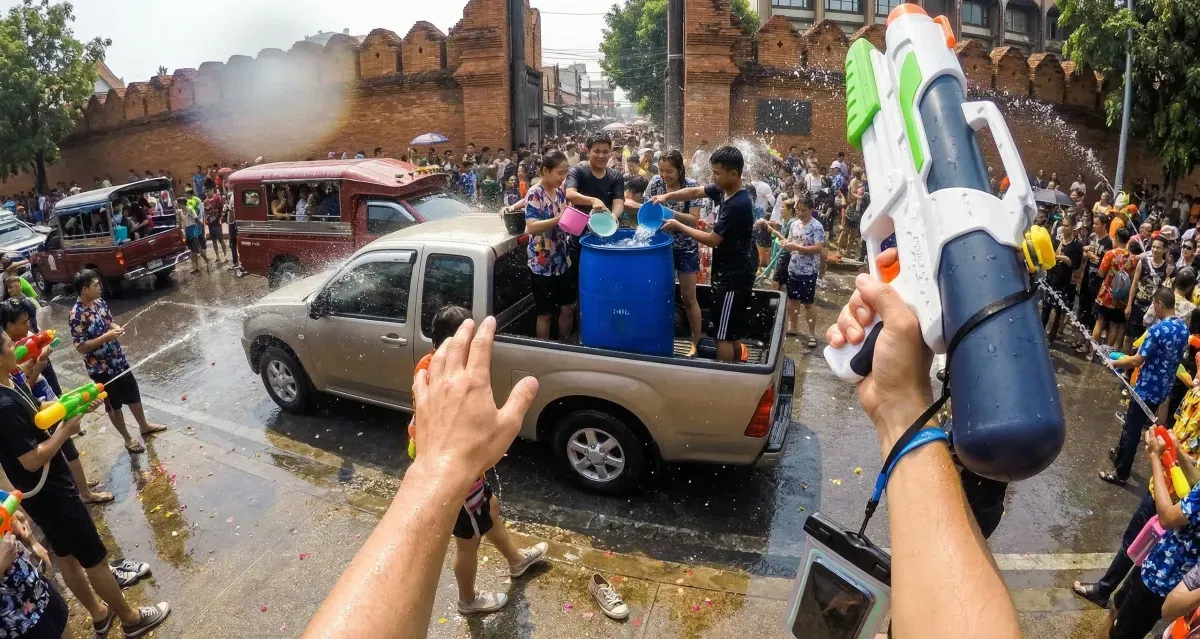
Songkran runs officially from April 13-15 across Thailand, but Chiang Mai plays by its own rules. Here, the water fights kick off on April 12 and don't truly wind down until April 16 or 17. Five full days of citywide water warfare. The moat ringing the Old City becomes ground zero - both sides of the road packed with people armed with Super Soakers, garden hoses, and buckets of water mixed with ice. The smell of jasmine and nam op (a traditional scented water) mixes with sunscreen and wet concrete. It's chaos. Glorious, soaking, inescapable chaos.
Where the Water Fights Actually Happen
The moat loop around the Old City is the main event. Specifically, the stretch along Kamphaeng Din Road and the east side near Tha Phae Gate draws the thickest crowds. Expect shoulder-to-shoulder action from about 11 AM to 6 PM daily. Pickup trucks cruise the loop at a crawl, loaded with barrels and passengers who will absolutely drench you without warning.
But here's the thing: the moat isn't the only battlefield. Nimmanhaemin Road (locals just call it Nimman) runs its own parallel party with a younger crowd. DJs set up on soi corners, and bars along Soi 9 and Soi 11 blast music while their staff man high-pressure hoses aimed directly at the street. The vibe is different from the moat - more dance party, less family free-for-all.
If you want something calmer, head to Wat Phra Singh or Wat Chedi Luang early in the morning, around 7 or 8 AM, before the mayhem starts. You'll see locals performing the traditional rod nam dam hua ceremony - gently pouring scented water over the hands of elders and monks. This is the spiritual heart of Songkran that most visitors skip entirely, and spending an hour here will shift your understanding of what the festival actually means.
What to Pack and What to Leave at the Hotel
Your phone is going to get wet. Not might. Will. A waterproof phone pouch with a lanyard is non-negotiable - grab one at any 7-Eleven for 80-120 baht. The ones with the clip seal and double zip are worth the extra 40 baht. I've watched people lose phones into the moat. Don't be that person.
Here's my packing list after doing this wrong multiple times:
- Waterproof phone pouch (double-seal type, 80-120 baht at 7-Eleven)
- Old shoes you don't mind destroying - flip-flops get dangerously slippery on wet roads
- Quick-dry shorts and a t-shirt you're fine throwing away afterward
- A small dry bag for cash and your room key
- Reef-safe sunscreen - you'll reapply three times and it'll wash off three times
- A water gun from the vendors outside Tha Phae Gate (200 baht for a solid Super Soaker knockoff)
Leave your nice camera at the hotel. Seriously. Even with a rain cover, the sheer volume of water coming at you from every direction makes it a losing bet. Shoot on your phone through the waterproof pouch instead.
And here's the counterintuitive tip nobody shares: don't bring a towel. You'll be soaked for hours on end. A towel just becomes dead weight in your bag. Walk back to your guesthouse dripping wet like every single other person on the street. Embrace it.
Surviving Five Days Without Burning Out
Songkran in Chiang Mai is a marathon, not a sprint. The first day, everyone goes hard. By day three, you'll spot seasoned travelers sitting on their guesthouse balconies, watching the chaos below with a Chang beer and a knowing grin.
Pace yourself. Hit the streets for peak hours (noon to 4 PM) when you want the full experience, and use mornings for temple visits or breakfast at your favorite khao soi spot. Khao Soi Khun Yai on Charoen Rat Road does a bowl for 50 baht that I'd honestly eat every single day if I lived here - rich coconut curry broth with a crispy noodle top, chicken falling apart on contact. They close at 2 PM and the line builds fast by 11 AM.
A Thai friend told me once: 'Songkran isn't about getting other people wet. It's about washing away the old year together.'
Water fights stop at sundown - that's an unwritten but widely respected rule. Evenings open up for the night markets. The Sunday Walking Street along Ratchadamnoen Road still runs during Songkran week, and it's noticeably less packed than usual because half the tourist crowd is exhausted and asleep by 8 PM. Take advantage of that.
One practical note on getting around: Grab and Bolt (Thailand's ride-hailing apps) surge hard during Songkran, and some drivers flat-out refuse to operate during peak water fight hours. Can't blame them. Songthaews (the red shared trucks) keep running but move painfully slowly through the moat zone. Budget an extra 30-45 minutes for any trip across town during daylight.
Stay near the Old City if you can swing it. Guesthouses inside the moat put you within walking distance of everything that matters, and room rates haven't spiked as badly as the Nimman area. I've booked clean, solid places on Moon Muang Road for 800-1,200 baht a night during festival week. Book before the end of March though - by early April, the good spots are gone.
Tags
Map-o-World Editorial Team
Travel Research & Editing
Our guides are researched from official tourism sources, local operators, transport authorities and recent traveller reports, drafted with AI assistance and reviewed by our editors before publishing. Prices, opening hours and entry rules change often - please double-check before you travel, and tell us if you spot something out of date.
Read our editorial policy arrow_forward